
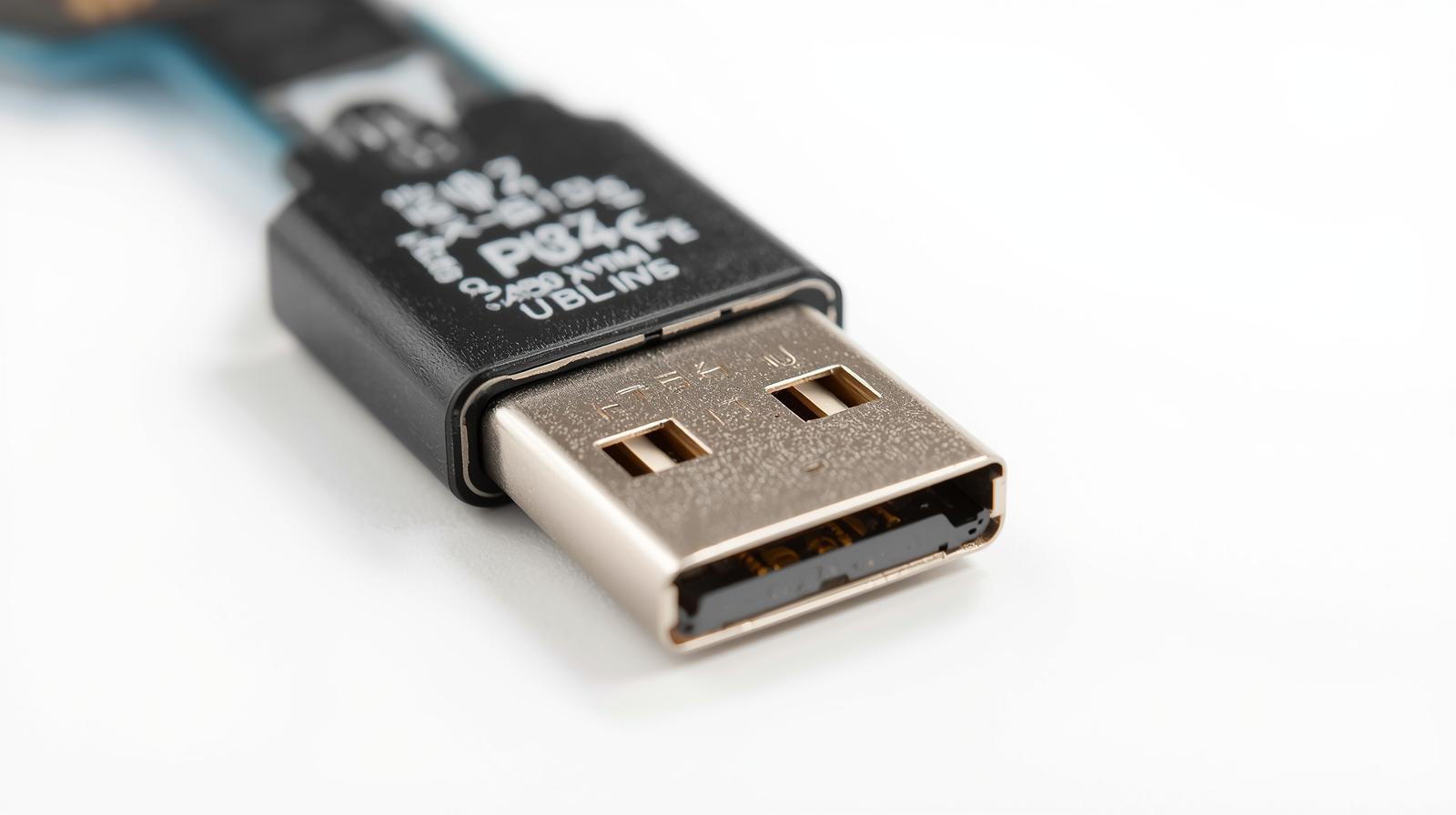
Type-C Charging Flex Replacement: Reliable Power and Signal Restoration
When Charging Problems Aren’t Just About the Port
Most users think a phone that won’t charge has a damaged port.
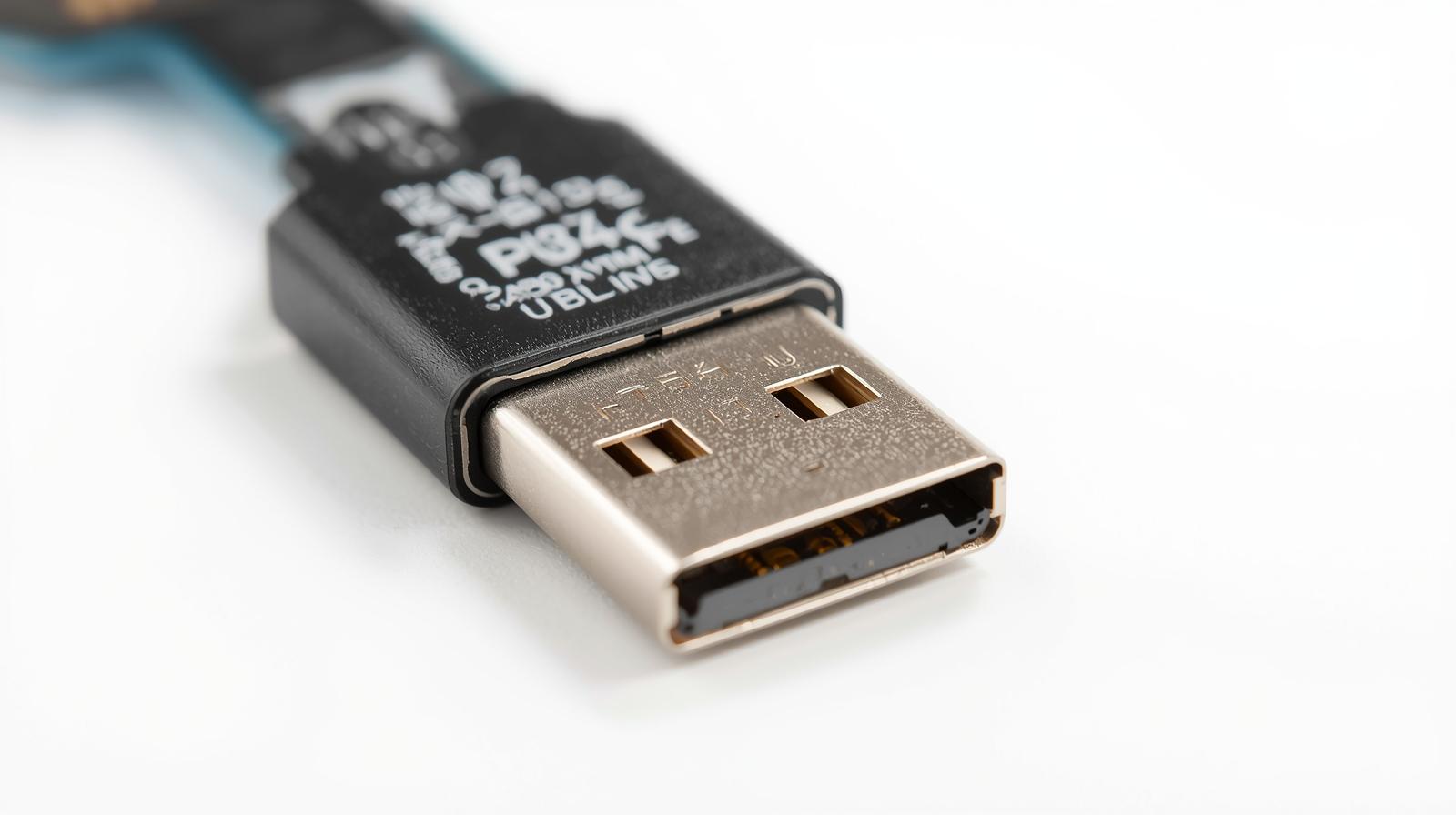
In reality, it’s often the Type-C charging flex cable—the internal bridge connecting the charging port to the motherboard—that fails first.
Symptoms include:
-
Device charging intermittently or only at certain angles.
-
No data connection when connected to a PC.
-
Overheating near the port area.
-
Quick battery drain or “slow charging” notifications.
For technicians, this is a challenging diagnosis: replacing the flex requires precision soldering, model-specific components, and verified current stability.
Understanding the Type-C Charging Flex Assembly
The Type-C charging flex is not a single wire; it’s a multi-layer assembly combining:
-
Power lines (VBUS & GND) for current transmission.
-
Data lines (D+, D–) for USB communication.
-
CC pins for power negotiation and fast charging protocols.
-
Shielding and grounding layers for signal stability.
Even minor deviations in these structures can lead to:
-
Current leakage.
-
Inconsistent charging recognition.
-
Loss of PD (Power Delivery) functionality.
That’s why choosing a tested and calibrated replacement flex is essential to restore device performance safely.
How CPG Ensures Type-C Flex Reliability
CPG’s Type-C charging flex replacements are manufactured and tested to meet OEM electrical and mechanical standards.
1. Current Flow Testing (5A Rated)
Each flex cable undergoes current simulation at 5A to verify safe, stable power delivery under fast-charging loads.
2. Signal Integrity Verification
High-frequency testing ensures USB 3.x and PD signal consistency, minimizing data transfer errors.
3. Thermal Resistance Test
Each flex is bent and powered simultaneously at 50°C for 2 hours to validate heat endurance.
4. Bending Endurance
10,000 flex cycles at 90° confirm that solder joints and copper traces resist fatigue.
5. Board Compatibility Calibration
Every flex connector is tested for pin alignment and impedance match against the original motherboard layout.
This ensures plug stability, signal clarity, and long-term durability—key for both professional repair shops and refurbishers.
Comparison: Generic Flex vs. CPG Type-C Charging Flex
| Parameter | Generic Flex Cable | CPG Type-C Charging Flex |
|---|---|---|
| Current Rating | 3A | 5A certified |
| Pin Alignment Accuracy | ±0.2 mm | ±0.05 mm |
| Flex Life (bend cycles) | ~2,000 | >10,000 |
| Signal Loss | Moderate | <1% verified |
| PD Charging Support | Partial | Fully supported |
| QC Testing | Visual only | Electrical + Mechanical + Thermal |
With these performance guarantees, CPG charging flex cables reduce repair risk and ensure device longevity.
Advantages for Repair and Refurbishment Operations
-
OEM-level current stability supports all major fast-charging protocols.
-
Tested solder pad durability for easier installation and rework.
-
Batch-level QC traceability to reduce defective rates.
-
Pre-fitted grounding foil and brackets available for selected models.
-
Compatible with all major brands – including Apple, Samsung, Huawei, Xiaomi, and OPPO.
This means repair centers can standardize their replacement quality and reduce return rates across devices.
Where Type-C Flex Replacement Makes the Difference
-
Phones suffering liquid damage that corroded internal connectors.
-
Devices with frequent cable plugging (delivery, gaming, corporate use).
-
Refurbished phones requiring stable current flow to pass testing.
-
Charging or data failure after physical impact at the port area.
In each scenario, a stable Type-C flex replacement restores full function while preventing secondary motherboard damage.
Selecting the Right Flex for Your Device
When sourcing Type-C replacement flex cables, confirm the following:
-
Model-specific PCB layout match.
-
PD (Power Delivery) protocol support rating.
-
Resistance ≤20 mΩ per line.
-
Bending tolerance >8,000 cycles.
-
Testing documentation from manufacturer.
CPG provides all parameters and test data with every shipment, ensuring the highest reliability for professional repair projects.
Frequently Asked Questions (FAQ)
Q1: Can a faulty Type-C flex damage the motherboard?
Yes. Unstable current flow can cause voltage spikes or ESD discharge that harm power ICs.
Q2: Do CPG Type-C flex cables support fast charging?
Yes. All flex assemblies are rated for up to 5A and compatible with major PD protocols.
Q3: Are these parts compatible with multiple brands?
Yes. CPG offers specific designs for Apple, Samsung, Huawei, Xiaomi, and OPPO.
Q4: How are CPG flex cables packaged for shipment?
Each unit is sealed in anti-static bags with traceable batch codes and test certifications.
Restoring Power, Data, and Trust
A reliable Type-C charging flex is the backbone of a successful repair.
With CPG’s Type-C charging flex replacements, technicians can restore stable charging, data transfer, and user confidence—all backed by verified test data and OEM-level precision.
To request compatibility lists or QC reports, visit CPG LCD’s homepage or reach the team through the Contact Us page.