
Glass Panel Compatible with OCA Laminator: Achieve Bubble-Free Screen Restoration
Why OCA Lamination Fails Even with Good Equipment
Many repair shops invest in high-end laminators, premium OCA film, and cleanroom setups—yet still struggle with bubbles, haze, or edge lifting.
The root cause is often overlooked:
👉 the glass itself is not suitable for lamination.
If the surface flatness, coating, or curvature is off—even slightly—the adhesive cannot spread evenly.
That’s why choosing a true glass panel compatible with OCA laminator is critical for stable and repeatable results.
What Makes Glass Compatible with OCA Lamination
OCA bonding is a precision process. It depends on uniform contact between glass and display under vacuum and pressure.
A proper glass panel must meet:
- Flatness ≤ ±0.02 mm
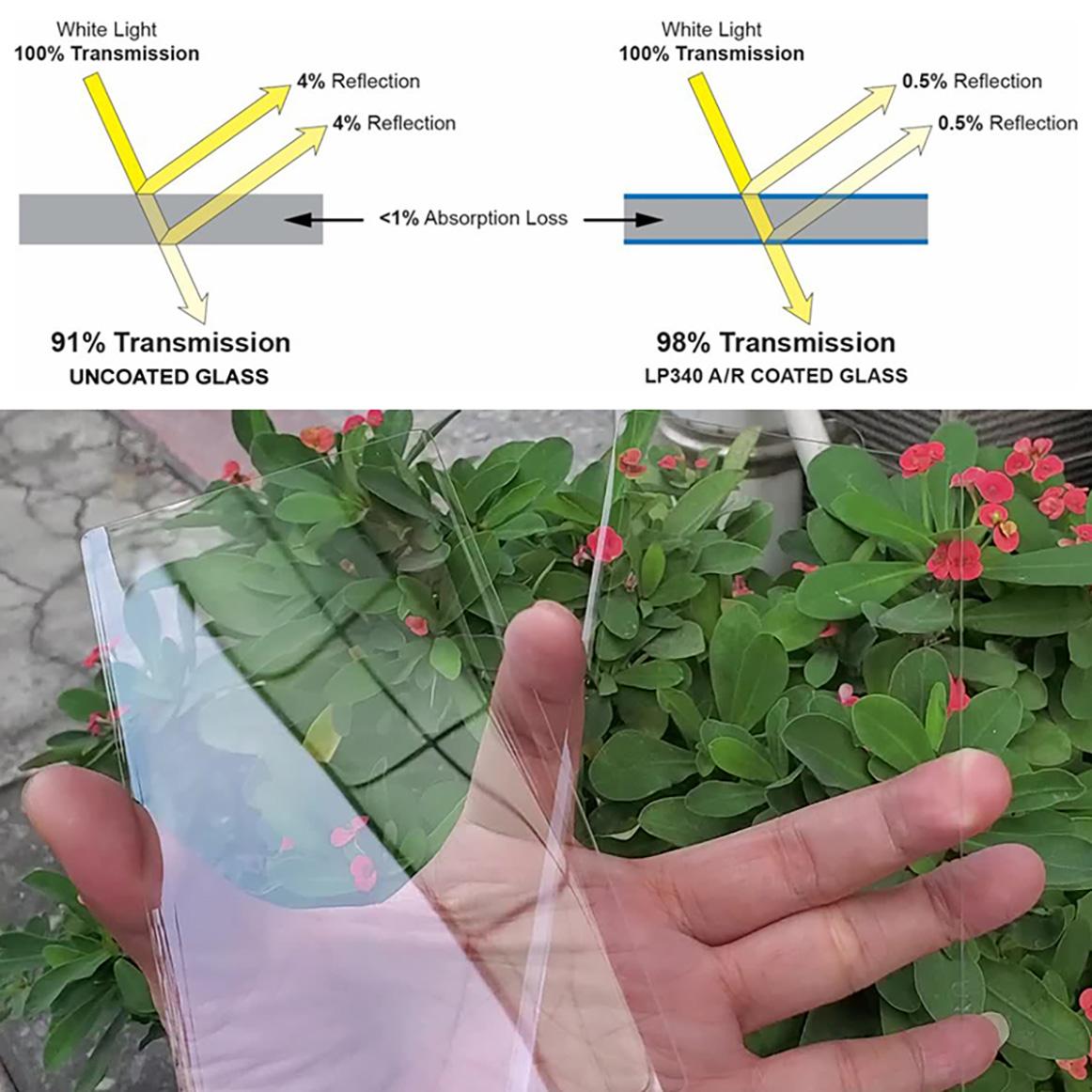
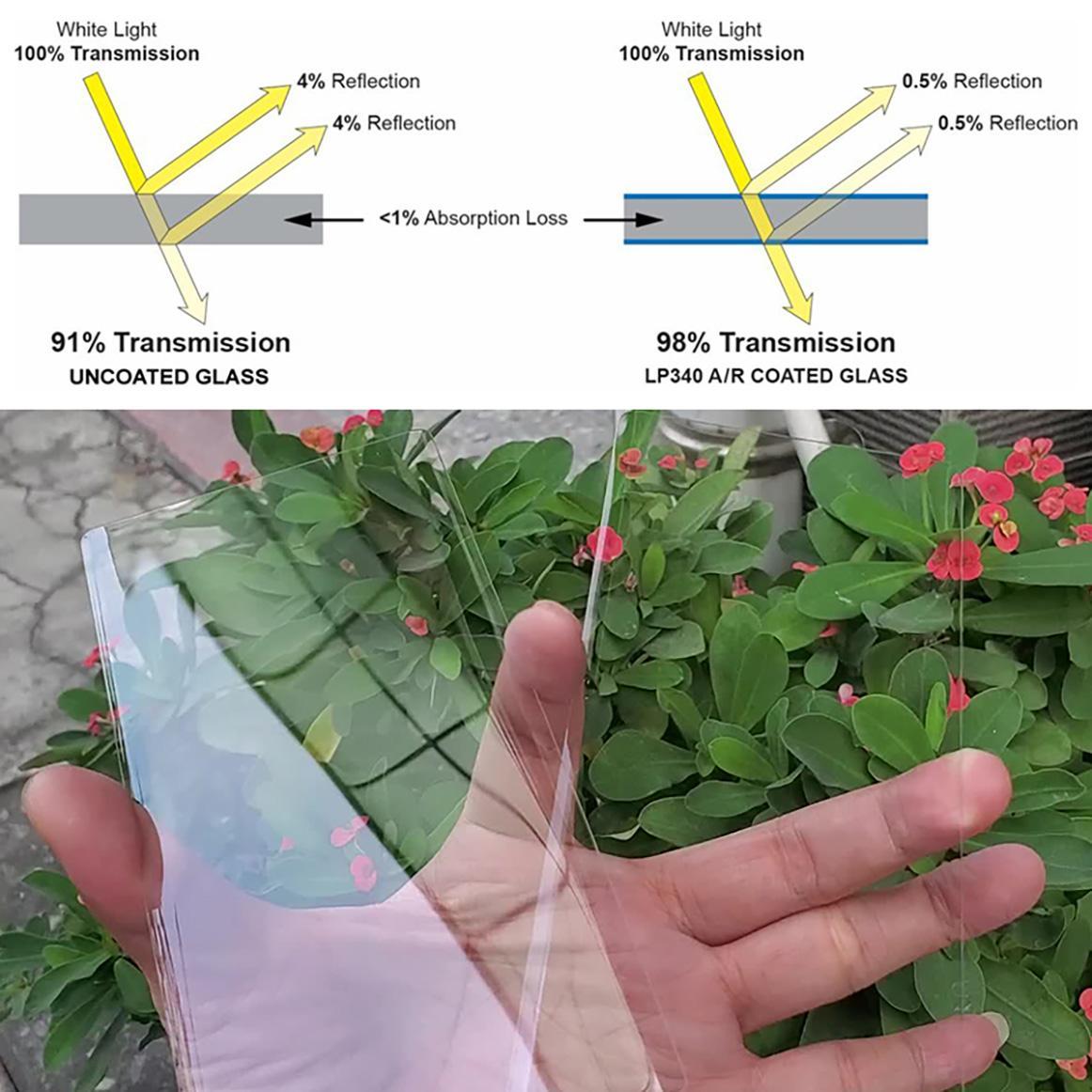
- Optical transmission ≥95%
- Stable surface energy for adhesive flow
- Thermal resistance ≥120°C
- Curvature matching OLED/LCD modules
Without these, even the best laminator cannot prevent defects.
A high-quality glass panel compatible with OCA laminator ensures consistent adhesive behavior across the entire surface.
CPG’s Precision Glass Solution for OCA Bonding
CPG manufactures glass panels specifically designed for high-yield refurbishment workflows.
1. Ultra-Flat Surface Processing
Each panel is polished and tested using optical interference methods, ensuring near-perfect flatness for bubble-free bonding.
2. High Transparency Material
Using high-grade aluminosilicate glass, transmission reaches ≥95%, preserving brightness and color accuracy.
3. Surface Energy Optimization
Plasma treatment ensures the adhesive spreads evenly during vacuum lamination—no dry spots, no uneven bonding.
4. Thermal Stability Under Pressure
Glass maintains structure during heating cycles, avoiding warping or micro deformation.
5. Precision Edge and Curvature Matching
Each glass panel compatible with OCA laminator is designed to match modern curved and flat display structures.
Comparison: Standard Glass vs. OCA-Compatible Glass
| Feature | Standard Glass | OCA-Compatible Glass (CPG) |
|---|---|---|
| Flatness | ±0.1 mm | ±0.02 mm |
| Transmission | 88–90% | ≥95% |
| Adhesive Spread | Uneven | Uniform |
| Bubble Rate | High | <1% |
| Thermal Stability | Limited | High |
The difference directly affects yield rate, rework cost, and final display quality.
Why Refurbishment Factories Choose CPG
- Higher lamination success rate
- Reduced rework and OCA waste
- Stable output across batches
- Compatible with TBK / LOK / G-Touch machines
- Suitable for iPhone, Samsung, Huawei, Xiaomi, OPPO models
Using a reliable glass panel compatible with OCA laminator helps standardize production and improve profit margins.
Typical Use Cases in Repair and Production
- Screen refurbishment after glass breakage
- OLED display re-lamination
- Bulk refurbishment for resale markets
- Repair centers handling high daily volume
In all these cases, consistent material quality is the key to efficiency.
How to Select the Right Glass Panel
When sourcing, confirm:
- Surface flatness tolerance
- Optical clarity certification
- Curvature compatibility
- Adhesive bonding performance
- Batch QC consistency
A certified glass panel compatible with OCA laminator ensures predictable results across different devices and production runs.
Quality Control and Testing
Each CPG batch undergoes:
- Optical transmission testing
- Flatness measurement
- Thermal cycling validation
- Vacuum lamination simulation
Every glass panel compatible with OCA laminator is tested under real repair conditions before shipment.
Frequently Asked Questions (FAQ)
Q1: Why do bubbles appear after lamination?
Usually due to uneven glass surface or improper surface energy.
Q2: Can standard glass be used with OCA laminators?
Not recommended—results are inconsistent.
Q3: Does curvature affect bonding?
Yes. Even small mismatch causes edge lifting or air gaps.
Q4: Are CPG panels ready to use?
Yes, they are pre-cleaned and optimized for direct lamination.
Better Glass Means Better Results
In OCA lamination, success is determined before the process even begins.
With CPG’s glass panel compatible with OCA laminator, repair centers and refurbishers can achieve higher yield, better clarity, and more reliable production outcomes.
For product details or bulk supply, visit:
👉 https://www.cpglcd.com/
👉 https://www.cpglcd.com/en/contact-us